
REKRUTACJA 2024/2025 | Wybierz kierunek studiów:
Aktualności:

Nabór do międzynarodowego projektu studenckiego Erasmus+
Erasmus+ Blended Intensive Programs (BIP) 2023/2024...
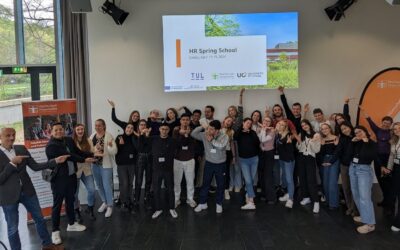
Spring School w Görlitz – Nasi Studenci poszerzają swoje horyzonty
W dniach 15-19 kwietnia 2024 r. studenci Uniwersytetu...
Składanie dokumentów z KRK
Uwaga studenci Wydziału Ekonomicznego UO W związku z...
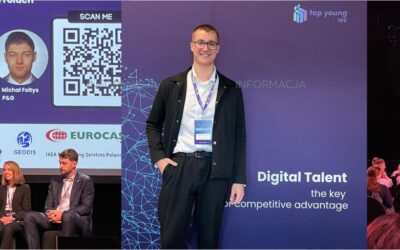
Student Wydziału Ekonomicznego w gronie 100 najlepszych studentów TopYoung100
Miło nam poinformować że student I roku Logistyki Bohdan...
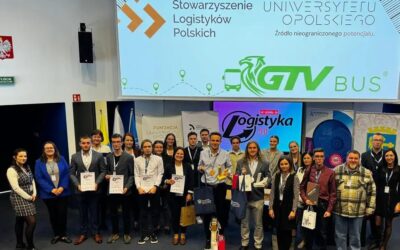
Kolejna edycja konkursu “Od technika do logistyka” czas start!
Szanowni Państwo, W dniu 16 kwietnia 2024 r. dobiegła...
IV Ogólnopolski Konkurs na najlepsze prace dyplomowe z zakresu logistyki
Szanowni Państwo, Katedra Logistyki Uniwersytetu...
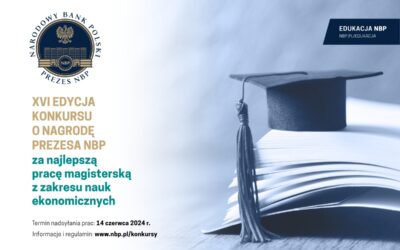
XVI edycja Konkursu o Nagrodę Prezesa NBP za najlepszą pracę magisterską z zakresu nauk ekonomicznych
Szanowni Państwo, uprzejmie informuję, iż 5 kwietnia 2024...

Dr hab. Agata Zagórowska, prof. UO w prezydium Komitetu Nauk o Pracy i Polityce Społecznej PAN
8 kwietnia br. w siedzibie Polskiej Akademii Nauk w...
Terminarz Egzaminów Dyplomowych 2023/2024
Terminarz Egzaminów Dyplomowych 2023/2024 studia...
Wydział Ekonomiczny Uniwersytetu Opolskiego tworzy i rozwija wiedzę, umiejętności i kompetencje społeczne studentów o zróżnicowanym kapitale kulturowym, tworząc warunki pełnego wykorzystania ich możliwości w regionie, kraju a także za granicą.
Komunikaty:
Składanie dokumentów z KRK
Uwaga studenci Wydziału Ekonomicznego UO W związku z Zarządzeniem Rektora nr 28/2024 z dnia 22...
Kolejna edycja konkursu “Od technika do logistyka” czas start!
Szanowni Państwo, W dniu 16 kwietnia 2024 r. dobiegła końca piąta edycja konkursu „Od technika do...
XVI edycja Konkursu o Nagrodę Prezesa NBP za najlepszą pracę magisterską z zakresu nauk ekonomicznych
Szanowni Państwo, uprzejmie informuję, iż 5 kwietnia 2024 r. ogłoszono XVI edycję Konkursu o...
Ankieta:
- Ankieta dla studentów Wydziału Ekonomicznego UO
- Ankieta dla interesariuszy wewnętrznych i zewnętrznych
Zachęacmy do udziału w ankiecie i podzieleniu się z władzami Wydziału Ekonomicznego informacjami o Waszych aktywnościach i osiągnięciach a w szczególności tych w sferze nauki, dydaktyki oraz sportu.
Wypełnij anketę online >
Logujemy się jak do poczty uniwersyteckiej.
Zachęcamy do wypełnienia ankiety w której interesariusze wewnętrzni i zewnętrzni mogą zgłaszać swoje uwagi, sugestie do programu studiów i procesu kształcenia.